SALTWATER CELL CLEANING • ,
Saltwater Cell Cleaning in ,
Empire Pools services saltwater chlorine generator cells in with proper inspection, descaling, and performance checks
so your system can produce chlorine reliably all season—without constant “low output” warnings, cloudy water, or surprise algae
right when you want to swim. Salt cells don’t usually “fail overnight”—they slowly lose efficiency as minerals and calcium build up on the plates,
which reduces effective surface area and restricts flow. That’s why we treat this like a performance job, not just a quick rinse: we inspect the cell body and unions,
check for weeping o-rings, confirm the flow switch is reading correctly, and then descale using manufacturer-appropriate methods that remove buildup without stripping
the coating that makes the cell work.
In a Long Island town like , where pools see heavy summer use and mineral buildup can creep in fast, this service is one of the simplest,
highest-ROI ways to keep a salt system stable. We also look at the “why” behind scaling: water balance, hardness, metals, run time, and output % settings that are too aggressive
for your pool’s actual demand. If your system is overworking, it can scale faster and age the cell prematurely—so we help you dial it in the right way.
If you’re near , along , around ,
off / , or close to , we run these routes regularly and can usually coordinate service
with minimal disruption. The goal is simple: restore output, reduce strain on the cell, and leave you with a clear plan for when to schedule the next cleaning based on how
your pool is used during ’s peak swim months.
What to Expect
Keep Your Salt Cell Working Like It Should
A dirty or scaled salt cell can choke off chlorine production, trigger warning lights, and leave your pool
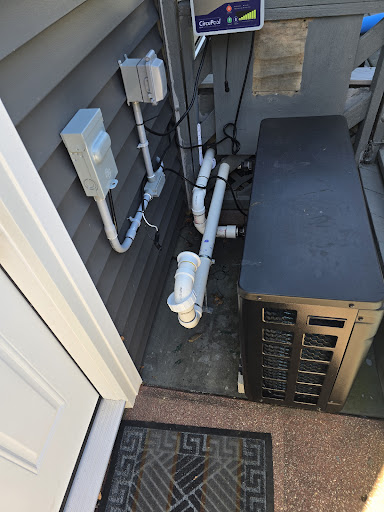
fighting algae even though the system “looks” like it’s on. During a saltwater cell cleaning, our techs inspect
the cell plates, unions, and flow switch, then soak or gently clean the cell using manufacturer-approved methods
to remove scale without damaging the coating. We verify salinity and water balance, check output under load, and
review run times and settings so the system is set up for Long Island’s swim season. Before we leave, we go over
how often to have the cell checked and what warning signs to watch for between visits.
What’s Included
- Visual inspection of the salt cell, unions, and flow switch for scale, wear, and leaks.
- Safe removal of the cell from the plumbing and setup in a proper cleaning station.
- Manufacturer-appropriate descaling solution and soak time to remove mineral buildup without harming plates.
- Rinse, reinstall, and careful inspection of o-rings and unions before bringing the system back online.
- Check of salinity level and basic water chemistry to confirm the system is operating in its ideal range.
- Verification that the cell is producing chlorine under flow with no active error codes.
- Review of pump run times and cell output percentage for your pool size and bather load.
- Simple plan for how often to schedule future cleanings based on your local water and usage.
-
Note: Saltwater cell cleaning starts at $295 + tax. Final pricing depends on system
accessibility, condition, and any additional troubleshooting needed.
- Note: If the cell is at the end of its life, we’ll explain your replacement options before any additional work.
Why Choose Empire Pools
- Extensive experience with all major salt system brands used on Long Island pools.
- We clean cells the right way — no shortcuts that strip coating or shorten the life of the plates.
- Honest feedback if your cell is near end-of-life so you can plan for replacement instead of wasting money.
- Local knowledge of hard water, metals, and high-use pools that accelerate scale buildup.
- Clear explanation of error codes and what to watch for between services.
- Goal: keep your salt system quietly doing its job so you don’t have to think about chlorine.
Starting at $295 + tax
What Salt System Owners Say
★★★★★
“We kept getting low output warnings in . They cleaned the cell, checked flow, and chlorine finally held steady again.” — R. Donato, , NY
★★★★★
“We’re near and scale builds up fast. They showed us the plates and explained what to adjust so it didn’t come back right away.” — M. Caruso, , NY
★★★★★
“Cloudy water and constant shocking… turned out the cell wasn’t producing like it should. One cleaning plus a settings tweak fixed it.” — T. Rizzo, , NY
★★★★★
“They did it the careful way—no harsh routine that ruins plates. Output jumped back up and the pool stayed crystal clear.” — E. Moretti, , NY
★★★★★
“After heavy swim weekends we’d get random warnings. They cleaned the cell, verified salinity, and it’s been stable since.” — J. Palmieri, , NY
Saltwater Cell Cleaning — FAQs
How often should I clean my salt cell in West Hills?
Most pools benefit from one cleaning per season, but it depends on water balance, hardness, and how hard the system runs.
If you’re seeing buildup quickly or recurring “low output” warnings, you may need a mid-season check as well.
What are the early signs my salt cell is scaling up?
Common signs include lower chlorine production, needing higher output %, longer pump run times, “check cell”/“low output” alerts,
and water that starts getting dull even though your salt level looks normal.
Will cleaning the cell fix “low output” if my filter is dirty?
Not always. A dirty filter can restrict flow and cause the system to read poorly or shut down production. We check for flow limitations
and pressure issues because cell output depends on proper circulation.
Is muriatic acid always used to clean salt cells?
No. The “right” method depends on the manufacturer and the scaling level. We use manufacturer-appropriate descaling and controlled contact time
because overly aggressive cleaning can shorten cell life.
Can bad water balance make my salt cell scale faster?
Yes—especially high pH, high calcium hardness, and poor saturation balance. When water is scale-forming, the cell plates can scale quickly
and production drops. We point out the balance issues that are driving repeat buildup.
How do you know if my salt cell needs replacement instead of cleaning?
If the cell stays weak after proper cleaning, needs very high output % to maintain chlorine, throws repeated alerts, or is near its typical lifespan,
it may be end-of-life. We’ll explain that honestly so you don’t waste money on repeat cleanings.