POOL INSPECTION •
Pool Inspection in
Empire Pools provides professional pool inspection for pool owners — a detailed, on-site evaluation designed to give you a clear,
no-guesswork picture of your pool’s condition and what (if anything) needs attention. We start with a quick intake on what you’ve noticed (water loss, noisy
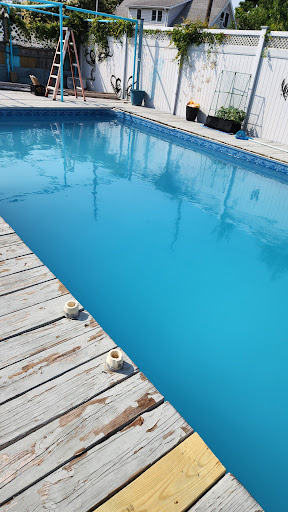
equipment, weak suction/returns, cloudy water, stains, or recurring issues), then perform a structured walk-through: (1) a visual check of the pool shell/surface,
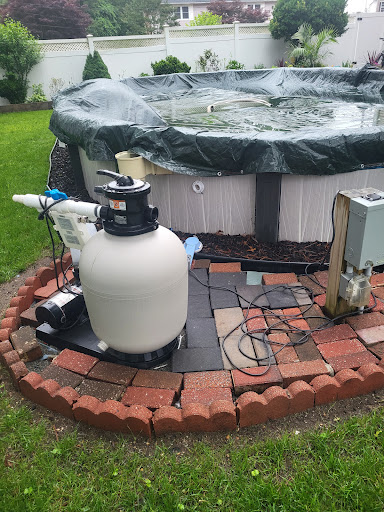
waterline, coping, fittings/returns, skimmer throat, and any visible cracking or movement; (2) an equipment-pad inspection of the pump, filter, valves, unions,
gauges, heater/salt system (if present), and visible plumbing for leaks, corrosion, vibration, and wear; (3) basic circulation red-flag checks (air in the system,
flow performance, and obvious suction/return issues); and (4) safety/condition notes that matter for owners and buyers alike (cover/anchor stress points when applicable,
trip hazards, and visible electrical connection concerns). We document what we see, call out risk items early, and finish with a clean, prioritized action list so you
know what to handle now vs. what can wait — and how to prevent small issues from turning into expensive surprises.
Yaphank • Local Insight
Inspections Tuned to Yaphank Pools
In , mature trees, sandy soil, and seasonal storms can mask circulation issues until pressure climbs or returns weaken.
We pay close attention to equipment-pad connections, valve orientation, suction-side air indicators, and early leaks that show up as “slow water loss” over time.
From properties near Yaphank Avenue and Main Street to areas around Horseblock Road (CR-16), Gerard Road,
Long Island Expressway (I-495), and close to Southaven County Park and Brookhaven National Laboratory,
we tailor the inspection to your pool’s surface, age, yard conditions, and equipment layout.
We check for common “quiet problems” like slow leaks, suction-side air, worn gaskets, loose clamps, early corrosion at connections, and circulation red flags —
not just what’s obvious at a glance.
What’s Included with Pool Inspection
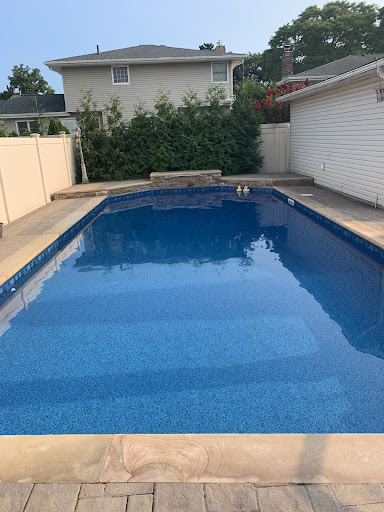
- Visual inspection of pool structure, coping, waterline tile, fittings, and returns for cracks, movement, or wear.
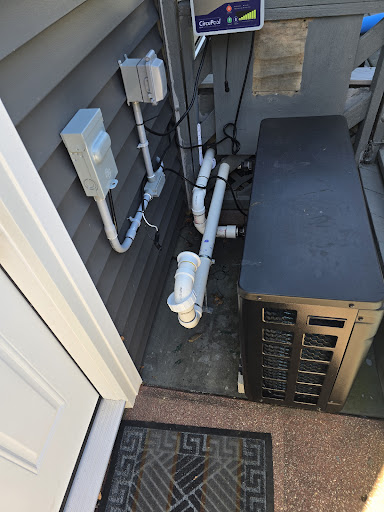
- Equipment pad inspection: pump, filter, heater (if present), valves, unions, gauges, and visible plumbing for leaks or corrosion.
- Circulation check: suction/return performance, air in the system, and basic operational red flags.
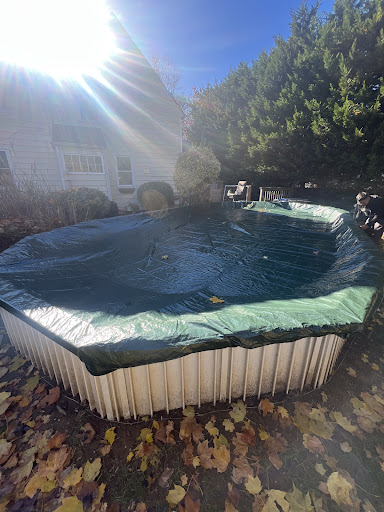
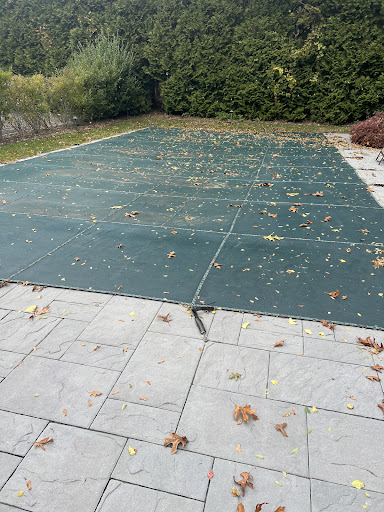
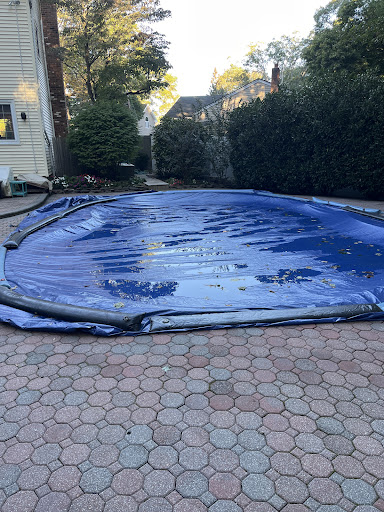
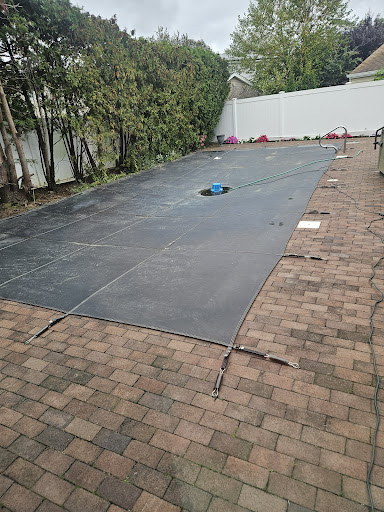
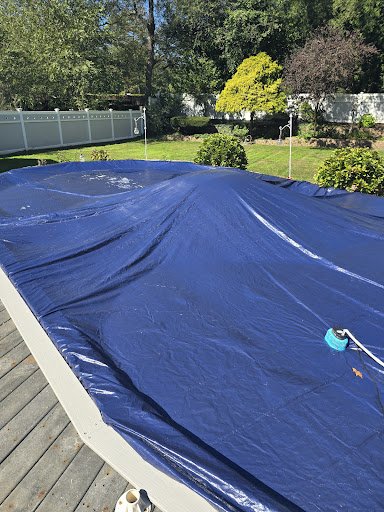
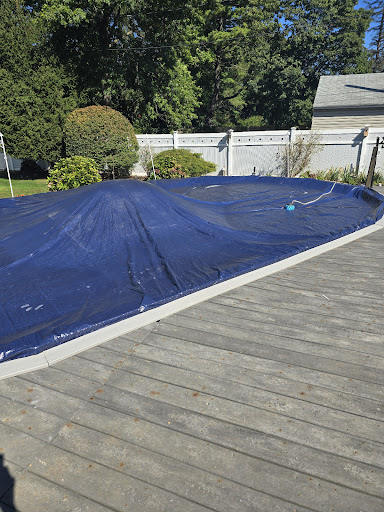
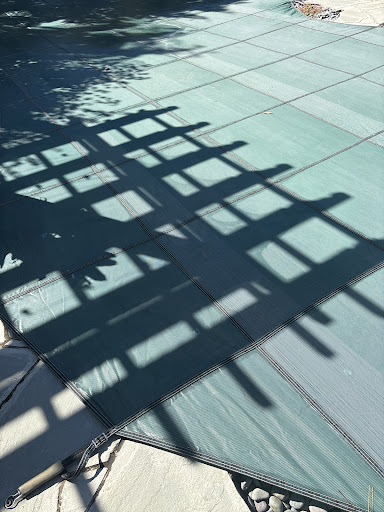
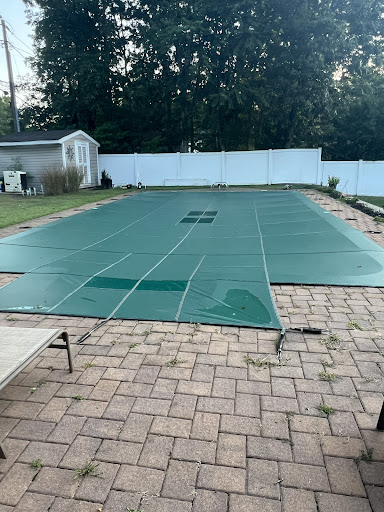
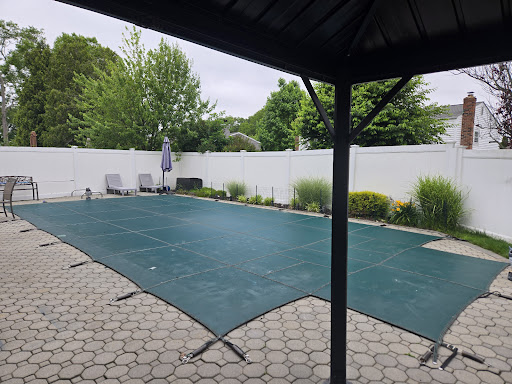
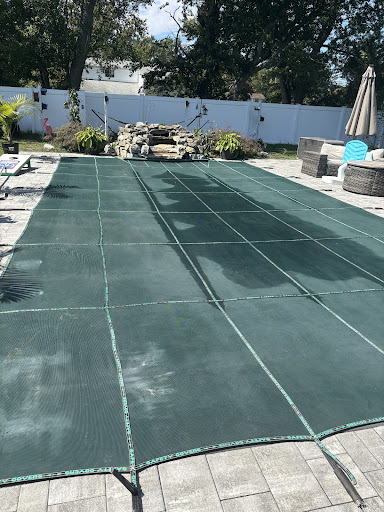
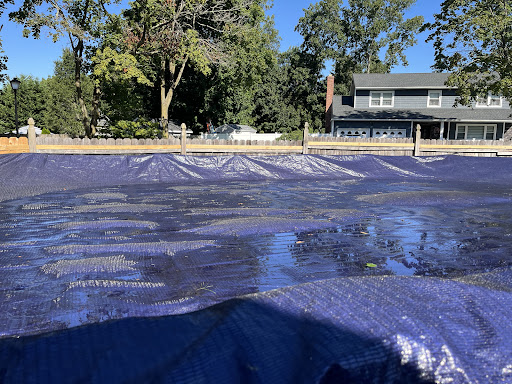
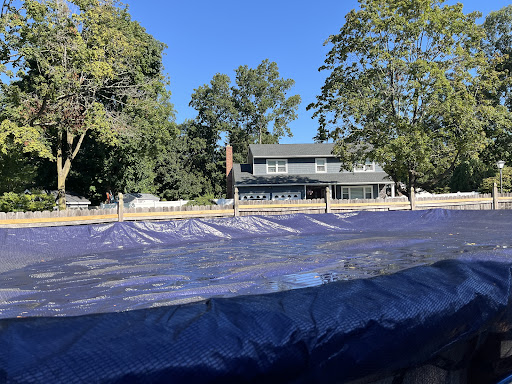
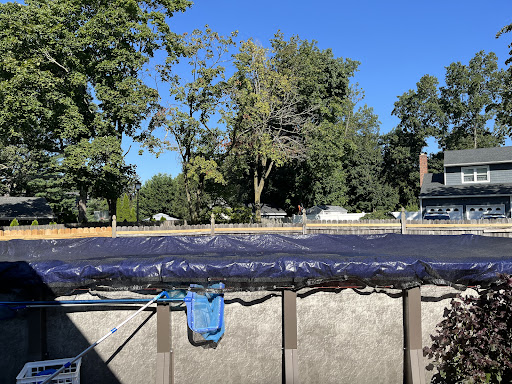
- Cover and winter protection review (when applicable): strap tension, anchors, water level risk, and visible stress points.
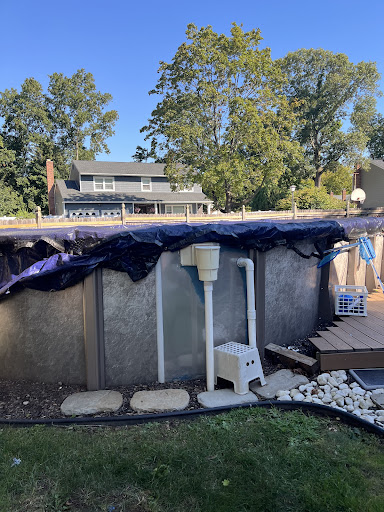
- Skimmer and basket condition check, plus debris pathways that commonly show up after wind and rain events.
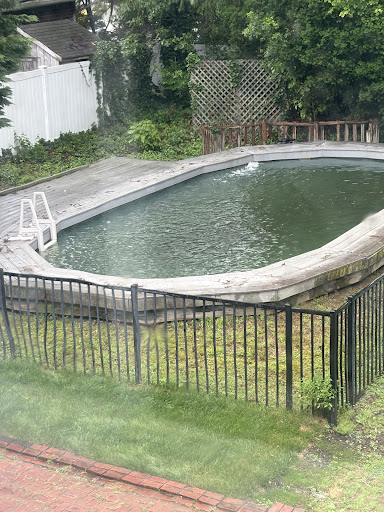
- Water condition snapshot (visual) with recommendations if chemistry or clarity suggests a bigger issue.
- Clear written notes or text summary after service with priorities, recommended fixes, and next steps.
- Optional add-ons: pressure testing, leak detection, equipment upgrade recommendations, or scheduling a follow-up visit.
- Note: Repairs, parts, or advanced testing are separate services quoted individually.
Why Choose Empire Pools for Pool Inspection
- Yaphank-aware inspection approach that accounts for debris load, sandy conditions, and high run-time weeks.
- Experienced techs who evaluate equipment and circulation systems every day across Long Island.
- Plain-language explanations — you’ll know what matters now vs. what can wait.
- Preventative mindset focused on catching leaks, failures, and safety issues early.
- Options to roll recommendations into weekly service, power vac, or green-to-clean plans if needed.
- No long-term contract required — inspections can be one-time or seasonal.
- Fast text support if you spot changes after storms or cold snaps.
Pool Inspection Reviews
★★★★★
“We thought we had a leak, but it turned out to be a small pad connection issue. They explained it clearly and gave us a real plan.” — A. Romano, Yaphank
★★★★★
“Very thorough inspection — pump, filter, valves, and skimmer all checked. The ‘priority list’ after the visit was super helpful.” — J. Silver, Yaphank
★★★★★
“We’re buying a house and wanted honest feedback. They spotted issues we wouldn’t have noticed and explained what to budget for.” — R. DeLuca, Yaphank
★★★★★
“After storms our pool kept going cloudy. They identified circulation problems fast and recommended the right next step without upselling.” — K. Brennan, Yaphank
★★★★★
“They found early corrosion at a connection and a worn gasket before it became a bigger issue. Clean, detailed notes after.” — M. Caruso, Yaphank
Pool Inspection — FAQs
What’s the most common reason homeowners book a pool inspection?
The top reasons are unexplained water loss, recurring cloudy water, and “something feels off” with circulation (weak returns, air bubbles, noisy pump).
An inspection gives you a clear baseline and priorities before small issues turn into bigger repairs.
Do I need to be home during the inspection?
Not necessarily. As long as we have clear gate access and access to the equipment pad, we can complete the inspection and follow up with notes
or a text summary of findings and recommended next steps.
What exactly do you look at during a pool inspection?
We check the visible pool structure/surface, fittings, skimmers, and then focus on the equipment pad: pump, filter, valves, unions, gauges, heater/salt system
(if present), and visible plumbing. We also look for circulation red flags like suction-side air, abnormal noises, leaks, or restricted flow.
Can you inspect saltwater systems and heaters too?
Yes. If you have a salt system and/or heater, we include visible component checks, connection condition, and operational red flags. If the inspection suggests a
deeper issue, we’ll recommend the correct next step (service, diagnostic, or upgrade).
Will this inspection include leak detection or pressure testing?
The inspection is a structured evaluation and can identify signs of a leak, but pressure testing and advanced leak detection are separate services.
If we see indicators that point to a leak, we’ll recommend the best next step and quote it separately.
How much does a pool inspection cost in ?
Pool Inspection typically starts at $385 + tax for a detailed on-site evaluation and recommendations.
Repairs, parts, or advanced testing are quoted separately.